


Derivatives markets in Kenya was launched by the Nairobi Securities Exchange (NSE) in July 2019. They are regulated by the Capital Markets Authority (CMA), which offers a platform for trading. The market operates under the Capital Markets (Derivatives Markets) Regulations, 2015.
Primarily, derivatives market was established to provide sophisticated risk management tools, attract more liquidity to the Kenyan financial markets, and enable investors to shield their asset against price volatility.
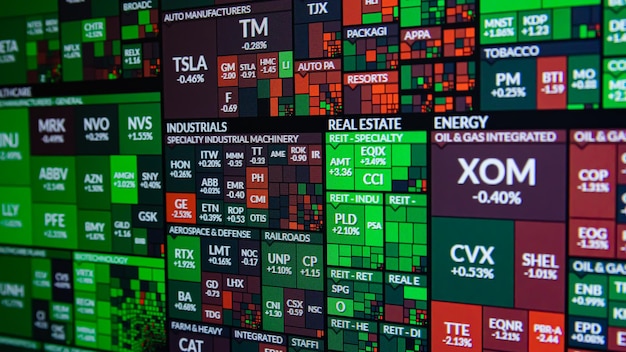
The market currently facilitates trading in futures contracts based on the NSE 25 Share Index and a selection of single stocks from major Kenyan companies like Equity Group Plc, and Absa Plc
Derivatives allow investors to speculate on future price. Profit or loss is realized daily.
Commercial banks like the Co-operative Bank of Kenya and Standard Chartered Bank assist in the settlement process.
Since its launch, the derivatives market has seen steady growth in turnover, with a notable increase in activity, particularly in 2024, driven by increased retail investor participation. However, the market still faces several challenges: like Investor Awareness and limited range of products